Triple-G Drugs: The Next Evolution in Weight Loss Treatment
The landscape of weight loss management has undergone a profound transformation in recent years, spearheaded by breakthrough medications like Ozempic and Wegovy. These GLP-1 receptor agonist drugs have offered unprecedented hope and results for millions grappling with obesity and type 2 diabetes. However, the pharmaceutical world never stands still, and a new era is rapidly dawning. We are on the cusp of witnessing the arrival of the next-gen weight loss drug – powerful "Triple-G" medications designed to push the boundaries of efficacy and comprehensive metabolic health.
As the demand for effective and sustainable weight management solutions continues to soar, major pharmaceutical companies are investing heavily in research and development. The goal is clear: to build upon the success of current treatments by offering even greater weight loss, improved metabolic outcomes, and potentially broader health benefits. This article delves into the exciting advancements shaping the future of weight loss, focusing on the highly anticipated "Triple-G" drugs and what they mean for patients worldwide.
The Dawn of Triple-G Agonists: Beyond GLP-1 and GIP
Current blockbuster weight-loss medications primarily mimic one or two naturally occurring hormones in the body. GLP-1 (Glucagon-Like Peptide-1) agonists work by enhancing insulin secretion, slowing gastric emptying, and promoting a feeling of fullness, thereby reducing appetite. Dual agonists, like tirzepatide (Zepbound), go a step further by also targeting GIP (Glucose-dependent Insulinotropic Polypeptide) receptors, offering an even more potent effect on blood sugar regulation and satiety.
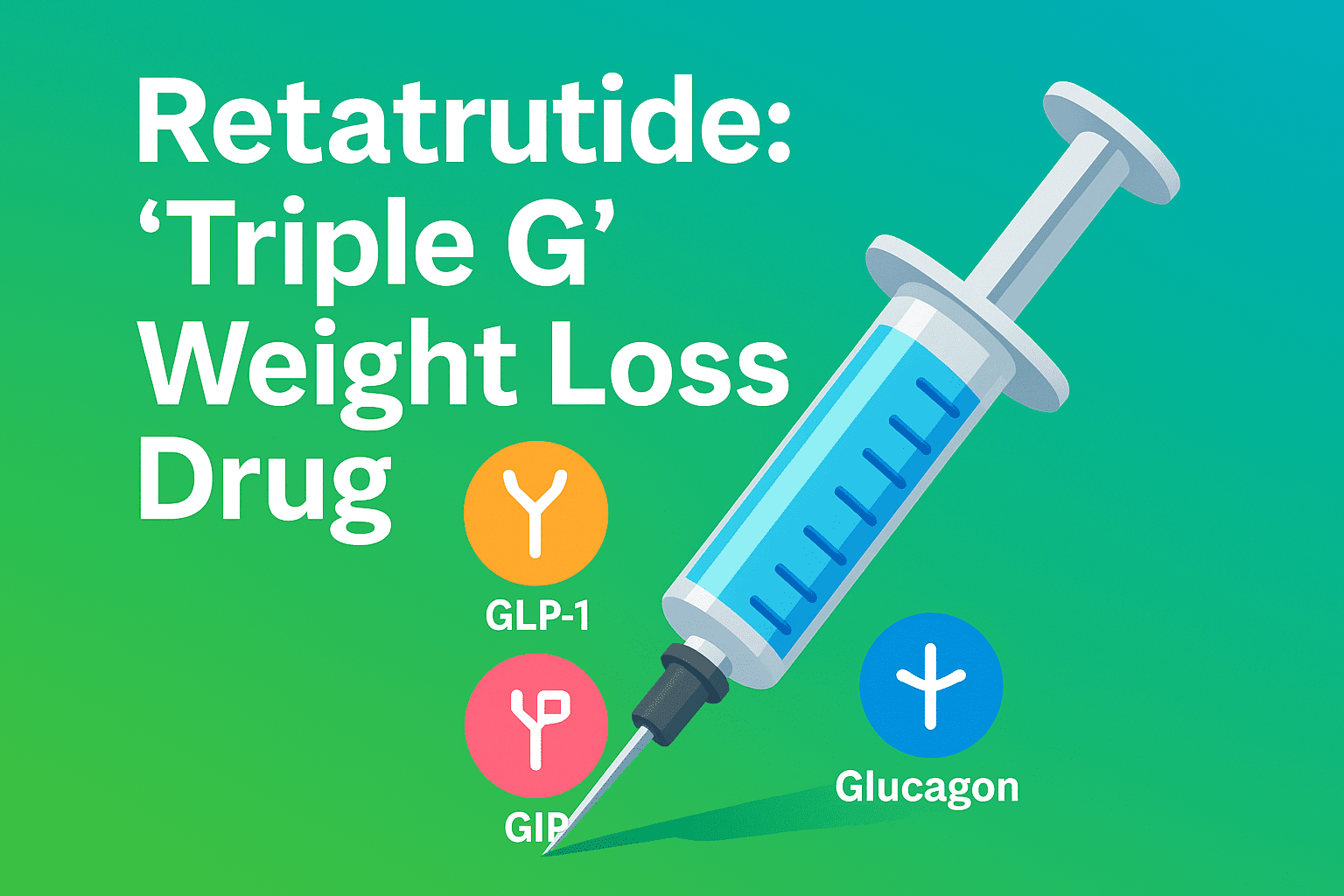
The "Triple-G" moniker signifies an even more ambitious approach: targeting three key hormones simultaneously. The addition of a third target, glucagon, alongside GLP-1 and GIP, is widely considered the defining characteristic of the next-gen weight loss drug. While GLP-1 and GIP are primarily associated with appetite suppression and glucose control, glucagon plays a complex role, including glucose regulation and potential effects on energy expenditure. By modulating all three pathways, these triple agonists aim to achieve superior weight loss, more robust glycemic control, and a broader impact on cardiometabolic health. This multi-pronged attack promises a more holistic approach to tackling the complexities of obesity and related conditions.
One notable contender that highlights the continuous innovation is CagriSema. While not a triple agonist, this co-formulation of semaglutide (a GLP-1 agonist) and cagrilintide (an amylin analogue) has demonstrated significant potential. In its Phase III trials, participants achieved an impressive average weight loss of 15.7% over 68 weeks, far surpassing the placebo group's 3.1%. Though it may not have met earlier, exceptionally high expectations, CagriSema undeniably sets a new benchmark for efficacy, paving the way for even more advanced treatments. For a deeper dive into the specific mechanisms and broader implications of these advanced medications, explore our article on Triple Agonist Drugs: New Era for Weight Loss & Diabetes.
UBT251: Novo Nordisk's Ambitious Leap into the Future
At the forefront of the triple agonist revolution is UBT251, a medication that has garnered significant attention following a landmark collaboration. Novo Nordisk, the Danish pharmaceutical giant behind Ozempic and Wegovy, recently announced a monumental US$2-billion deal with Chinese pharmaceutical company United Biotechnology. This strategic partnership aims to license UBT251, a drug widely touted as a true next-gen weight loss drug, capable of targeting GLP-1, GIP, and glucagon receptors.
The initial data surrounding UBT251 is remarkably promising. In a small Phase II trial conducted in China, the drug led to an average weight loss of 15.1% in just 12 weeks. This accelerated rate of weight reduction indicates a potentially significant leap in efficacy compared to existing treatments. Novo Nordisk is now poised to fast-track UBT251 to the global market, initiating a worldwide Phase I/II trial to confirm its safety and effectiveness on a larger scale. The stakes are high, with United Biotechnology receiving an upfront payment of $200 million and potential milestone payments reaching up to $1.8 billion, plus tiered royalties.
Beyond its impressive weight loss capabilities, UBT251 is also being explored for its broader therapeutic potential. Regulators in China have already approved its trials for the treatment of type 2 diabetes, metabolic dysfunction-associated fatty liver disease (MAFLD/NAFLD), and chronic kidney disease. As Martin Holst Lange, executive vice president for development at Novo Nordisk, highlighted, "The addition of a candidate targeting glucagon, as well as GLP-1 and GIP, will add important optionality to our clinical pipeline, as we look to develop a broad portfolio of differentiated treatment options that cater to the diverse needs of people living with these highly prevalent diseases." This statement underscores the strategic vision behind triple agonists: to offer a comprehensive solution for a spectrum of cardiometabolic conditions, solidifying UBT251's position as a game-changer in the next-gen weight loss drug market.
The Competitive Landscape: What's Next After UBT251?
While UBT251 is making headlines, it's important to remember that the race to develop the ultimate next-gen weight loss drug is highly competitive. Big Pharma is fully invested in this burgeoning market, with several promising candidates in various stages of development. Eli Lilly, another major player with its own dual agonist Zepbound, is also actively pursuing triple agonist technologies. They have their own "triple G" medication in the pipeline, with Phase 3 trials anticipated to run until January 2026. This indicates that while UBT251 might be the first true triple agonist out of the gate globally, other powerful contenders are not far behind.
Moreover, drugmakers are not just focusing on adding more hormone targets; they are also exploring novel mechanisms. Eli Lilly, for example, is developing eloralintide, a once-weekly injection that targets amylin, another hormone crucial for satiety and glucose control. These diverse approaches signify a concerted effort to address some of the biggest "gripes" about today's injections, including enhancing weight loss, improving tolerability, and offering more convenient dosing schedules.
The influx of multiple next-gen weight loss drugs into the market is expected to have several positive ripple effects. Increased competition could lead to more varied treatment options tailored to individual patient needs. Crucially, experts hope that a broader selection of effective drugs might finally lead to a reduction in the currently sky-high price tags, making these life-changing treatments more accessible to a wider demographic. The pharmaceutical pipeline is brimming with innovations, promising a future where managing obesity and related metabolic diseases is more effective and widely available. To learn more about the diverse array of emerging treatments, read our article Beyond Ozempic: Next-Gen Weight Loss Drugs Arrive Soon.
Navigating the Future: Access, Affordability, and Patient Considerations
While the promise of triple agonists and other next-gen weight loss drug candidates is exhilarating, it's vital to consider the practicalities of their integration into healthcare. Access and affordability remain significant hurdles for many patients. Current GLP-1 drugs often come with high out-of-pocket costs, and insurance coverage can be inconsistent. Novo Nordisk, recognizing these challenges, has already taken steps like launching NovoCare, an online pharmacy allowing uninsured US residents to purchase Wegovy for $499 a month, shipped directly to their homes. This initiative highlights the industry's growing awareness of the need for more accessible options.
As more advanced drugs hit the market, the hope is that increased competition and economies of scale will eventually drive prices down, making these treatments more attainable. However, patients and healthcare providers must remain vigilant. Here are some practical considerations:
- Consult Your Physician: Any decision regarding weight loss medication should be made in close consultation with a qualified healthcare professional who can assess individual health needs, potential risks, and benefits.
- Insurance & Cost: Investigate your insurance coverage for new medications as they become available. Advocate for broader coverage, as obesity is a chronic disease requiring long-term management.
- Lifestyle Integration: Even the most advanced medications are most effective when combined with healthy lifestyle changes, including a balanced diet and regular physical activity. These drugs are powerful tools, not standalone solutions.
- Understanding Side Effects: As with any medication, next-gen weight loss drugs will have potential side effects. Patients should be thoroughly informed and prepared to discuss any concerns with their doctor.
The advent of "Triple-G" drugs represents not just a scientific achievement but also a potential paradigm shift in public health. Their comprehensive approach to metabolic disorders could dramatically improve outcomes for millions, but ensuring equitable access will be paramount to realizing their full potential.
Conclusion
The evolution of weight loss treatment is moving at an unprecedented pace, with "Triple-G" drugs like UBT251 leading the charge as the definitive next-gen weight loss drug. By targeting GLP-1, GIP, and glucagon receptors, these innovative medications promise a more powerful and holistic approach to managing obesity and associated metabolic conditions. While challenges related to access and affordability persist, the burgeoning pipeline of advanced treatments from major pharmaceutical players signals a future where highly effective and potentially more accessible options are within reach. As research continues and clinical trials progress, the prospect of achieving significant, sustained weight loss and improved health outcomes for a greater number of individuals has never been brighter. The coming years are set to redefine what's possible in the fight against obesity and type 2 diabetes.