Beyond Ozempic: Next-Gen Weight Loss Drugs Arrive Soon
The landscape of weight management and metabolic health is on the cusp of another revolution. While medications like Ozempic and Wegovy, both GLP-1 receptor agonists, have already transformed how we approach obesity and type 2 diabetes, a new wave of even more potent treatments – the "next-gen weight loss drug" candidates – are poised to hit the market. These innovations promise not only greater efficacy but also broader health benefits, setting a new standard for medical weight loss.
The success of existing GLP-1 drugs is undeniable. By mimicking naturally occurring hormones that regulate appetite, slow digestion, and lower blood sugar, they have helped millions achieve significant weight loss and better glucose control. However, scientific progress is relentless, and pharmaceutical companies are already pushing the boundaries, developing compounds that target multiple pathways to unlock even more profound results. The era of simply relying on single or dual hormone mimetics is evolving, ushering in a future where comprehensive metabolic intervention becomes the norm.
Meet the Frontrunners: Next-Gen Contenders Shaping the Future
The pharmaceutical pipeline is buzzing with promising candidates, each designed to build upon the foundation laid by current treatments. Two key players, Novo Nordisk and Eli Lilly, are spearheading much of this innovation.
CagriSema: Novo Nordisk's Advanced Dual-Action Solution
One of the most anticipated next-gen weight loss drug candidates from Novo Nordisk is CagriSema. This medication combines semaglutide (the active ingredient in Ozempic/Wegovy) with cagrilintide, an amylin analog. Amylin is another hormone that plays a crucial role in satiety and glucose regulation. By combining these two mechanisms, CagriSema aims for enhanced weight loss and metabolic improvements.
In its Phase III clinical trials, CagriSema demonstrated impressive results. Participants achieved an average body weight reduction of 15.7% over 68 weeks. While this figure might not have reached some of the loftier initial predictions, it undeniably represents a significant leap forward in medical weight management. Importantly, the drug successfully met its primary endpoint, solidifying its potential. CagriSema has undergone parallel studies, positioning it for approval in both diabetes and obesity treatment, offering a versatile solution for a broad patient population.
UBT251: The Dawn of Triple Agonists
Perhaps the most exciting development in the "next-gen weight loss drug" arena is the emergence of triple agonists, often colloquially referred to as "triple-G" medications. Novo Nordisk has made a bold move by securing a US$2-billion deal with Chinese pharmaceutical company United Biotechnology to license its UBT251. This drug represents a significant paradigm shift, as it targets not just GLP-1 and GIP receptors, but also glucagon receptors.
The early results for UBT251 are remarkably promising. In a small Phase II trial conducted in China, the drug triggered an average 15.1% weight loss in just 12 weeks – a testament to its powerful multi-modal action. Novo Nordisk is now planning a global Phase I/II trial to accelerate UBT251's journey to the international market. This strategic acquisition underscores the industry's belief in the superior efficacy of multi-receptor targeting.
Beyond weight loss, UBT251 is also being trialed for a broader range of metabolic conditions, including type 2 diabetes, metabolic dysfunction-associated fatty liver disease (MAFLD), and chronic kidney disease (CKD). This expansion highlights the potential for these next-generation drugs to offer holistic metabolic benefits, addressing interconnected health issues. For a deeper dive into this groundbreaking class of medications, explore articles like
Triple-G Drugs: The Next Evolution in Weight Loss Treatment and
Triple Agonist Drugs: New Era for Weight Loss & Diabetes.
Eli Lilly's Expansive Pipeline
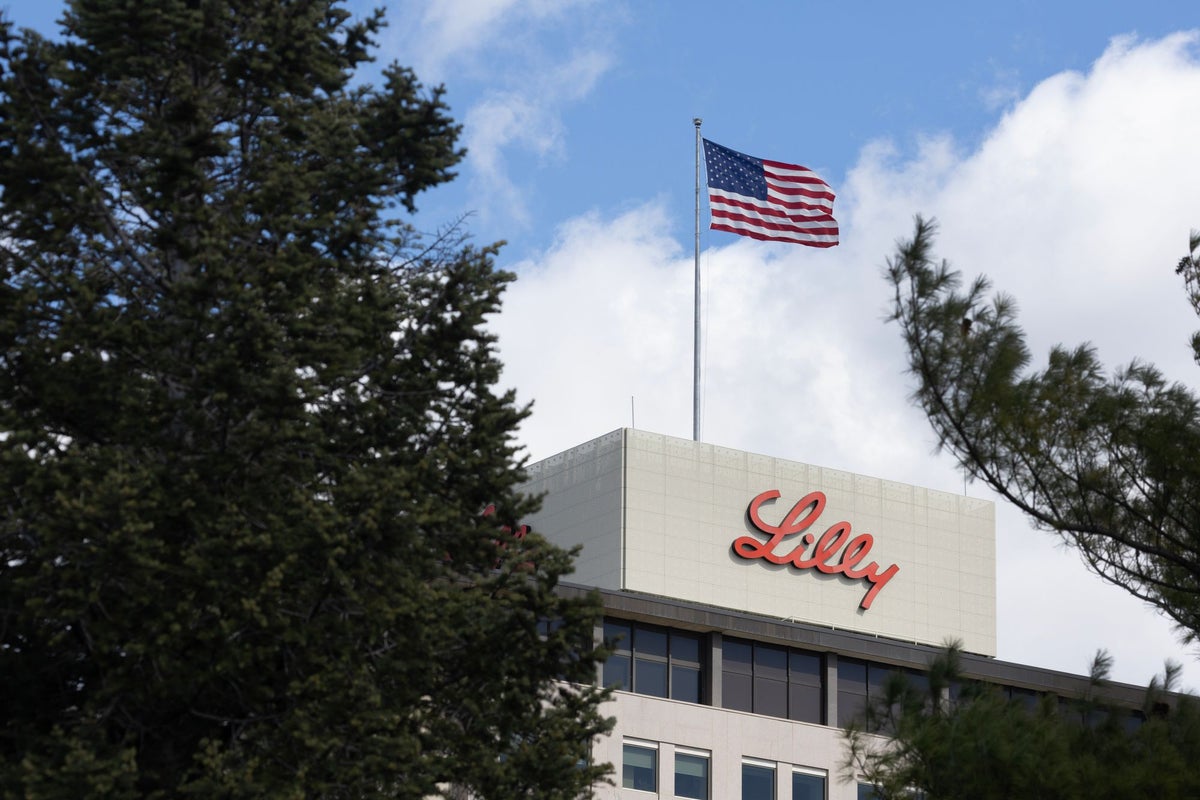
Not to be outdone, Eli Lilly, a major player with Zepbound (tirzepatide), also has its sights set on the next generation. They are developing their own "triple G" contender, though its Phase 3 trials are expected to run until early 2026, indicating a slightly longer path to market. Additionally, Lilly is exploring other innovative avenues, such as eloralintide, a once-weekly injection that targets the amylin hormone, similar to a component of CagriSema. This competitive landscape is a strong indicator of the rapid advancements in the field and the commitment of pharmaceutical giants to continuously improve treatment options.
The Science of Enhanced Efficacy: Beyond Single Hormones
To understand why these "next-gen weight loss drug" candidates are so exciting, it's essential to grasp the science behind their multi-target approach.
*
GLP-1 (Glucagon-Like Peptide-1): This hormone primarily reduces appetite, slows gastric emptying (making you feel fuller longer), and stimulates insulin secretion in a glucose-dependent manner.
*
GIP (Glucose-Dependent Insulinotropic Polypeptide): GIP works synergistically with GLP-1 to enhance insulin secretion. It also plays a role in fat metabolism and satiety. Tirzepatide (Zepbound) is a dual GLP-1/GIP agonist, showcasing the power of combining these two pathways.
*
Glucagon: Traditionally known for its role in raising blood sugar, glucagon, when targeted in a balanced way with GLP-1 and GIP, can also promote energy expenditure and contribute to weight loss by stimulating the body to burn fat.
The brilliance of a triple agonist like UBT251 lies in its ability to orchestrate a more comprehensive metabolic recalibration. Instead of just curbing appetite, it aims to influence energy balance from multiple angles – enhancing satiety, improving glucose metabolism, and potentially increasing calorie burning. This synergistic effect is expected to lead to greater and more sustained weight loss, along with broader improvements in overall metabolic health, including better liver function and kidney protection. This holistic approach moves beyond mere appetite suppression to a more profound physiological reset.
Addressing Accessibility and the Future Landscape
The high cost of current GLP-1 medications has been a significant barrier for many. As more "next-gen weight loss drug" options enter the market and competition intensifies, experts predict that prices could eventually become more competitive, potentially improving accessibility for a wider population.
Pharmaceutical companies are also exploring innovative ways to manage access. Novo Nordisk, for instance, has launched its online pharmacy, NovoCare, in the US. This platform allows uninsured residents to purchase Wegovy for $499 a month, with home delivery. This move is seen as a direct effort to address concerns about affordability and to curb the prevalence of compounded semaglutide, ensuring patients receive legitimate, quality-controlled medication.
The global aspirations for these new drugs are clear. Deals like the one between Novo Nordisk and United Biotechnology are designed to fast-track novel treatments from regional trials to worldwide availability, reflecting the urgent global need for effective solutions to obesity and related metabolic diseases.
What This Means for You: Navigating the New Era
The arrival of these next-gen weight loss drug innovations is undoubtedly exciting, offering new hope for individuals struggling with obesity and metabolic conditions. However, it's crucial to approach these developments with a balanced perspective.
*
Consult Your Doctor: These are powerful prescription medications. Any decision to start or change treatment must be made in close consultation with a qualified healthcare provider who can assess your individual health needs and determine the most appropriate course of action.
*
Lifestyle Still Matters: While these drugs are incredibly effective, they are not magic bullets. They work best as part of a comprehensive weight management plan that includes balanced nutrition, regular physical activity, adequate sleep, and stress management.
*
Realistic Expectations: Understand the potential benefits and risks. While trial results are impressive, individual responses can vary, and side effects are possible.
*
Stay Informed: The field is evolving rapidly. Keep abreast of new research, FDA approvals, and evolving treatment guidelines to make informed decisions about your health.
These next-gen medications hold the promise of not just shedding pounds, but also offering substantial improvements in cardiovascular health, liver function, and kidney health, transforming the lives of millions worldwide.
Conclusion
The journey "Beyond Ozempic" is well underway, heralding a new era for weight loss and metabolic health. The advent of next-gen weight loss drug candidates like CagriSema and, particularly, the groundbreaking triple agonists like UBT251, represents a significant leap forward in efficacy and potential health benefits. By targeting multiple hormonal pathways, these innovative treatments promise more substantial and sustained weight reduction, alongside a broader positive impact on diseases like type 2 diabetes, fatty liver disease, and chronic kidney disease. As these powerful new options approach the market, they offer renewed hope for individuals and underscore the relentless scientific pursuit of more effective, accessible, and holistic solutions for some of the most prevalent health challenges of our time.